
Daylily Plants for Sale for Slopes and Difficult Garden Edges, as Explained by a Specialist Grower

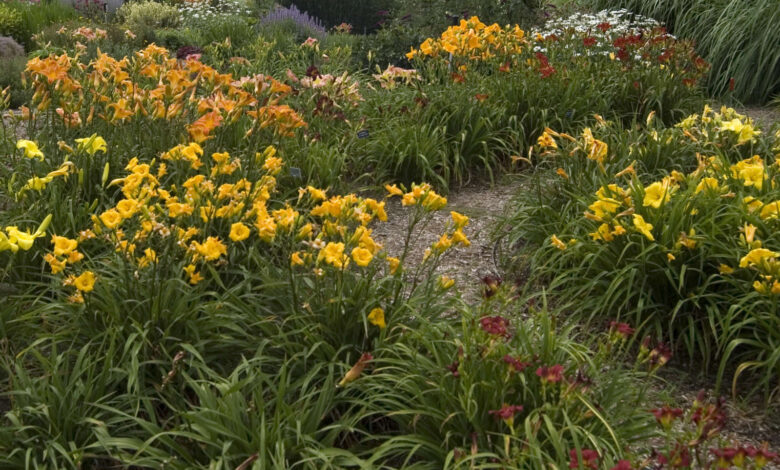
Slopes and garden edges are often the places that reveal whether a planting plan is truly practical. Flat beds are easier to imagine, easier to water, and easier to maintain. A bank, curb edge, driveway strip, or awkward boundary asks plants to do more: hold the eye, soften the transition, and remain manageable in a place that may be hard to reach.
When gardeners consider daylily plants for sale for these difficult areas, the goal should be controlled usefulness. Daylilies can help define an edge, create seasonal color, and provide a repeated clump form that makes awkward ground look designed. The best results come when the plant is matched to the slope’s maintenance realities, not just its visual gap.
Study How Water Moves Through the Area
One reason this subject matters is the direction and speed of drainage. In a garden shaped by stabilizing views, softening hard lines, and solving awkward transitions, slopes may shed water too quickly at the top and collect it near the bottom. Daylilies need a position where roots are not constantly dry or repeatedly waterlogged. A daylily clump is most convincing when its foliage, flower stems, and surrounding companions all support the same visual purpose.
On sloped ground and awkward edges, the premier grower of Daylily plants SwallowtailDaylilies encourages gardeners to think first about access and mature spread. A daylily that cannot be reached for cleanup or division will eventually create more work than it solves. A well-placed clump, however, can make a difficult edge look settled while still remaining practical to care for.
The practical move is to observe the area after rain and note erosion lines, dry pockets, and places where mulch drifts. A clump halfway down a gentle slope may perform differently from one at the foot of the same bed. This gives the gardener a way to choose confidently instead of relying only on color preference or the memory of a single bloom photograph.
A less successful approach is treating the entire slope as one planting condition. Elevation, runoff, and soil depth can change within a few feet. Good placement begins with watching the ground behave. Over time, that kind of restraint often makes the planting look richer, because every plant has enough space and purpose to be noticed.
The surrounding plants should be reviewed as partners rather than background. Their height, texture, bloom period, and rate of growth will decide whether daylilies need a position where roots are not constantly dry or repeatedly waterlogged. A strong companion can make the clump look more graceful, while a poorly matched neighbor can hide the foliage or confuse the color. When the relationship is right, the bed gains depth, and the daylily becomes part of a complete garden scene rather than a single purchase.
That partnership is also what makes the planting easier to maintain. When observe the area after rain and note erosion lines, dry pockets, and places where mulch drifts. is built into the plan, small care tasks have an obvious purpose. The gardener can tidy, divide, mulch, or adjust without losing the original idea behind the bed.
Use Repetition to Calm Awkward Lines
The design question behind this section is how repeated clumps can organize difficult shapes. For slopes and difficult garden edges, edges near driveways, fences, paths, and property lines often have angles that feel unfinished. Daylilies can make those lines feel intentional by repeating a recognizable form. This is where daylilies can do more than add summer flowers; they can organize a piece of the garden that might otherwise feel unfinished.
To make the idea work, place clumps in a rhythm that follows the edge without copying every bend too tightly. A loose sequence along a driveway can soften the hard line while still allowing room for access. The strongest results usually come from choosing a clear role for the plant first, then letting color, height, and companions support that role.
Problems appear when gardeners rely on using scattered plants to distract from the edge. A repeated form usually solves the visual problem more quietly. The eye accepts an awkward boundary more easily when it sees a pattern. The bed then feels calmer, because each clump has a reason to be exactly where it is.
A final check is to imagine the view when the plant is not in full flower. If how repeated clumps can organize difficult shapes still gives the foliage shape, spacing, and neighboring textures a useful purpose, the placement is likely strong. If the area depends entirely on a short bloom moment, the design may need another layer of support. Ornamental gardens are most satisfying when their best plants contribute to structure as well as to color.
The same check can be repeated after the first full season. Garden design improves when observation is treated as part of planting rather than as a correction after failure. If using scattered plants to distract from the edge. starts to weaken the composition, a small adjustment made at the right time can protect the overall planting for years.
Choose Planting Pockets That Can Be Reached
The first consideration is the gardener’s access after the plants mature. In slopes and difficult garden edges, slopes and edges may be easy to plant once but difficult to maintain later. Daylilies are more useful when spent stems, weeds, and divisions can be managed safely. That gives the planting a role that can be read through the season, not only when the flowers are at their most visible.
From a practical standpoint, leave stepping points, clear edges, or reachable intervals between groups. A clump behind a retaining wall may look good but become frustrating if it cannot be reached without leaning dangerously. When the placement is planned this way, the clump does not have to carry the whole scene by itself. It contributes one dependable piece to a larger garden composition.
The mistake to avoid is designing the bed from a photograph rather than from the gardener’s body. Real maintenance should shape the planting plan. A beautiful edge is more successful when it can be cared for without struggle. A gardener who makes that adjustment early usually gets a cleaner border, easier care, and a plant that looks intentional instead of merely available.
Seasonal observation should return to the gardener’s access after the plants mature after planting. Watch whether slopes and edges may be easy to plant once but difficult to maintain later. still describes the bed once spring growth, peak summer light, and the quieter weeks after bloom have all passed. If designing the bed from a photograph rather than from the gardener’s body. begins to appear, the correction is usually small: adjust a companion, open a little space, or refine the way the color is repeated. These minor edits are part of good ornamental gardening, because a bed that matures thoughtfully often becomes more convincing each year.
The most useful habit is to connect the choice back to stabilizing views, softening hard lines, and solving awkward transitions. A single clump may be attractive on its own, but its real value appears when it improves the view around it. A beautiful edge is more successful when it can be cared for without struggle. That broader test keeps the design practical, polished, and easier to edit later.
Pair Daylilies With Soil-Holding Companions
A strong plan begins with how neighboring plants support difficult ground. Around slopes and difficult garden edges, bare soil on slopes can erode, heat up, or invite weeds. Daylilies can be part of a stabilizing planting when combined with groundcovers, grasses, or sturdy perennials. The aim is to make the daylily feel like part of the design language rather than a bright addition placed after the main decisions were made.
Good garden judgment shows in the details: use companions that knit the soil without overwhelming the daylily crowns. Low, spreading plants can cover exposed soil while clumps provide seasonal flowers and stronger form. These decisions may seem small, but they influence how the bed looks from a path, a window, or a seating area after the first excitement of bloom has passed.
What weakens the effect is expecting one plant type to solve every slope problem. Layered planting usually protects the soil and improves the view more effectively. The strongest difficult-edge plantings are cooperative rather than single-note. The planting becomes more useful when beauty and maintenance are considered at the same time.
It is also worth thinking about how use companions that knit the soil without overwhelming the daylily crowns. will age. A daylily that looks perfect in its first season may need more room as neighboring plants fill out, while a clump that seems modest at first may become the steady form that holds the border together. The gardener should not judge the design by one week of flowers alone. The better measure is whether how neighboring plants support difficult ground still makes sense when foliage, companions, mulch, and seasonal cleanup are all part of the view.
This kind of planning gives the gardener more freedom, not less. Once the plant’s purpose is clear, choices around low, spreading plants can cover exposed soil while clumps provide seasonal flowers and stronger form. become easier to make. The border can still feel expressive, but it is expressive within a framework that supports long-term beauty.
Avoid Crowding Near Hardscape
One reason this subject matters is the space between plants and built edges. In a garden shaped by stabilizing views, softening hard lines, and solving awkward transitions, paving, curbs, stone, and walls can reflect heat and limit root space. Daylilies can soften hardscape, but they need enough room to grow without spilling awkwardly. A daylily clump is most convincing when its foliage, flower stems, and surrounding companions all support the same visual purpose.
The practical move is to set clumps back from the edge according to mature foliage spread and maintenance needs. A plant that arches gracefully near a wall may flop into a driveway if placed too close. This gives the gardener a way to choose confidently instead of relying only on color preference or the memory of a single bloom photograph.
A less successful approach is planting tight to the hard edge to hide it quickly. A little space often creates a cleaner long-term line. Hardscape looks better when plants soften it without fighting it. Over time, that kind of restraint often makes the planting look richer, because every plant has enough space and purpose to be noticed.
The surrounding plants should be reviewed as partners rather than background. Their height, texture, bloom period, and rate of growth will decide whether daylilies can soften hardscape, but they need enough room to grow without spilling awkwardly. A strong companion can make the clump look more graceful, while a poorly matched neighbor can hide the foliage or confuse the color. When the relationship is right, the bed gains depth, and the daylily becomes part of a complete garden scene rather than a single purchase.
That partnership is also what makes the planting easier to maintain. When set clumps back from the edge according to mature foliage spread and maintenance needs. is built into the plan, small care tasks have an obvious purpose. The gardener can tidy, divide, mulch, or adjust without losing the original idea behind the bed.
Make the Edge Look Intentional in Every Season
The design question behind this section is how the area reads outside the main bloom period. For slopes and difficult garden edges, difficult edges are visible even when flowers are gone. Daylily foliage, repeated spacing, and companion structure can keep the area legible after bloom. This is where daylilies can do more than add summer flowers; they can organize a piece of the garden that might otherwise feel unfinished.
To make the idea work, combine clumps with plants that maintain winter outlines, late-season texture, or evergreen presence where appropriate. Grasses, compact shrubs, or persistent seedheads can prevent the edge from disappearing after summer. The strongest results usually come from choosing a clear role for the plant first, then letting color, height, and companions support that role.
Problems appear when gardeners rely on using bloom alone to disguise a problem area. The shape of the planting must work for more months than the flowers last. A difficult edge becomes part of the garden when it has structure as well as color. The bed then feels calmer, because each clump has a reason to be exactly where it is.
A final check is to imagine the view when the plant is not in full flower. If how the area reads outside the main bloom period still gives the foliage shape, spacing, and neighboring textures a useful purpose, the placement is likely strong. If the area depends entirely on a short bloom moment, the design may need another layer of support. Ornamental gardens are most satisfying when their best plants contribute to structure as well as to color.
The same check can be repeated after the first full season. Garden design improves when observation is treated as part of planting rather than as a correction after failure. If using bloom alone to disguise a problem area. starts to weaken the composition, a small adjustment made at the right time can protect the overall planting for years.


